Need residential stump grinding in Baltimore?
Send a few details about your tree through the estimate form, or email contact@customersmoke.garden. A local provider in our network can follow up with a written quote.
No obligation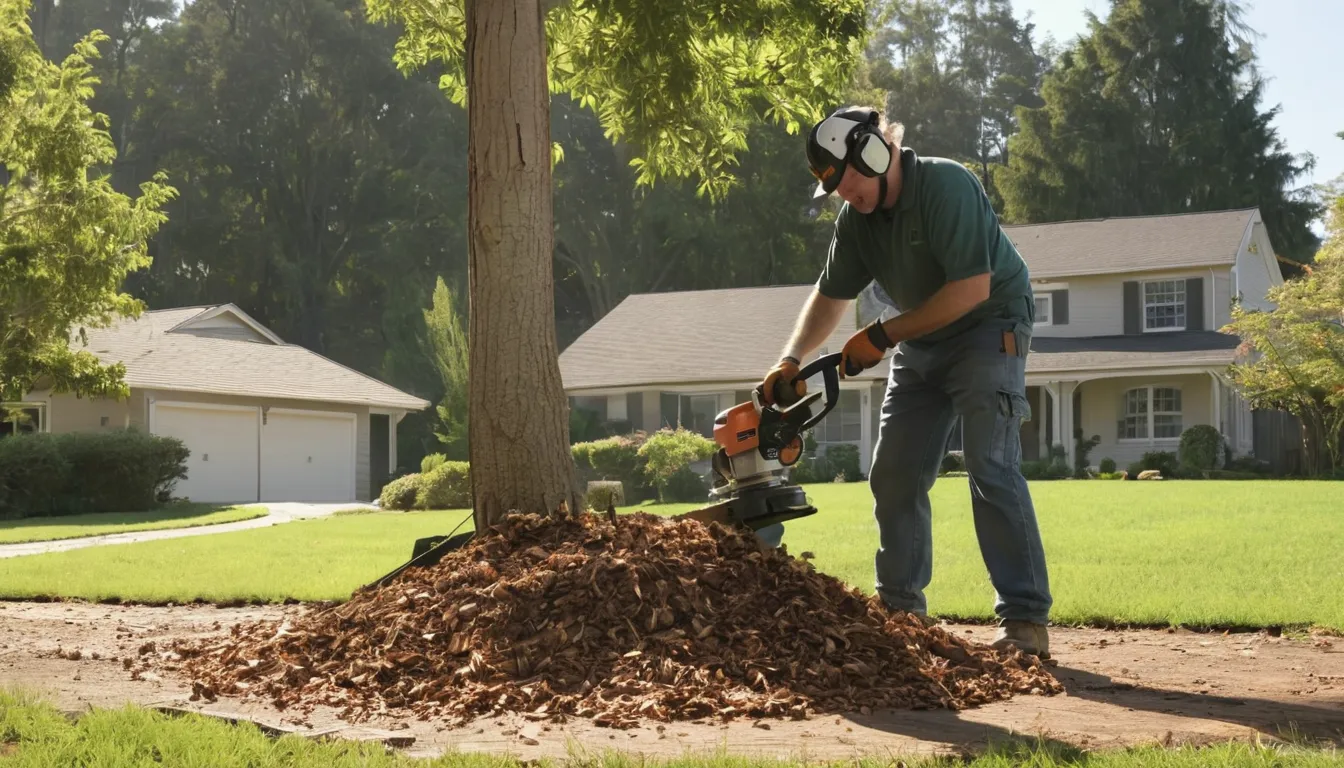
Request a stump grinding estimate
A leftover stump is more than an eyesore. It can trip kids, damage a mower blade, and slowly rot while pests move in. Stump grinding is the common fix. A local provider uses a powerful machine to shave the stump down below the soil line, so you can plant grass or a new tree.
Customersmoke Tree Service is a referral service. We do not grind stumps ourselves. We connect homeowners across the Baltimore area with independent providers in our network, and each one gives a written quote before work starts. This page explains what you can safely do yourself, what needs a trained operator, and what to ask before you say yes.
A stump looks harmless. It sits low and quiet at the edge of the lawn. But it can trip a child, catch a mower blade, and hold water all season long.
If you want it gone, stump grinding is the usual answer. A provider runs a grinder that chews the wood down below the surface. Then the yard is yours again.
Humid summers make grass grow fast. A stump hides in it. One bad step or one swing of the mower, and someone gets hurt.
Decaying wood draws carpenter ants, beetles and sometimes termites. That matters most when the stump sits close to a house, a fence or a basement wall. A provider can tell you what they see.
Many trees send up shoots from the stump or roots. You cut them, they return. Grinding removes much of the wood that feeds them, though a few may still pop up.
Safe feet, steady plan. There is real prep you can handle yourself:
The grinding itself is not a weekend project. The cutting wheel spins fast and throws chips and stones. Rental machines are heavy and unforgiving, and a slip can cause injury.
Buried gas, water, electric and drain lines are another risk. Older homes may have aging pipes that crack easily. A provider knows to check before the wheel touches the ground.
The provider sizes up the stump, the slope and the path in. Then the machine sweeps side to side, taking the wood down a few inches at a time. Most jobs go below ground level, often about six inches or more. Larger roots near the surface can be ground too if you ask.
What is left is a pile of wood chips. Some providers haul them away. Others leave them for your garden beds.
Grinding is quicker and leaves the soil mostly in place. Full removal digs out the stump and big roots. That needs heavy equipment and leaves a large hole to fill.
For most yards, grinding is simpler. Full removal makes sense if you plan to pour concrete or build right on that spot. Ask the provider which fits your plan.
Stump width is the biggest factor. Wider stumps take more time. Hard wood, tight access, and a soggy or sloped yard also add effort. The number of stumps and how deep you want the grind matter too.
Prices vary by job, so ask for a written quote. The cost table on this page shows typical U.S. ranges only.
Clear the path from the street or driveway to the stump. Unlock gates. Keep kids and pets indoors while the machine runs. Move cars out of the way. If rain is in the forecast, ask whether the provider will reschedule, since soaked ground can make a mess.
Maybe a tree came down years ago and the stump stayed. Old stumps are often softer and may be easier to grind, but hidden roots and buried debris can surprise a crew. Tell the provider when the tree came down.
If a storm tree clearance or a tree falling service left a tall stump behind, the same rules apply. Grinding comes after the trunk is gone.
Spring rain can leave yards soft and muddy. Summer is busy and dry. Fall is a good time to clear stumps before leaves hide them. In winter, frozen ground and snow can slow work, and freeze-thaw cycles can shift the soil afterward. Providers can tell you what is practical.
Rake the chips or ask the provider to haul them off. Fill the hole with topsoil, tamp it down, and add grass seed or sod. Chips can break down and use soil nutrients, so avoid piling them thick where you plan to plant. Watch for sprouts for a season and cut them back.
If you want a new tree there, wait for the ground to settle first.
Quote before chainsaw is a good rule for any tree job.
Start with the request form and tell us about your stump. A provider in our network can reach out about availability and a written estimate. You can also Request a callback to check provider availability.
If a whole tree is still standing or has just fallen, that is a different job. Emergency tree removal and storm cleanup have their own pages. Once the tree is down, come back here for the stump.
The provider checks stump width, root spread and access before giving a written price.
A machine shaves the stump down below the soil line, so mowing is safe again.
Surface roots that trip people or lift lawn edges can often be ground along with the stump.
Many providers rake or haul away wood chips, or leave them for you to reuse as mulch.
Stump grinding prices vary by size, access and location. These are typical U.S. ranges only. Always ask the provider for a written quote that lists what is included before work begins.
| Item | Typical range | Notes |
|---|---|---|
| Small stump (under 12 in.) | $100 – $250 | Easy access, one stump |
| Medium stump (12–24 in.) | $150 – $450 | Most common yard size |
| Large stump (over 24 in.) | $300 – $800 | More time and wood to grind |
| Minimum service charge | $100 – $200 | Many providers set a floor price |
| Extra roots or deeper grind | $50 – $300 | Depends on how much is ground |
| Chip hauling | $75 – $250 | Optional if you keep the chips |
Tell us about the stump size, location and any access limits through the estimate form.
A local, independent provider in our network reaches out about availability.
Read the written quote, ask your questions, and confirm the scope and cleanup.
The provider grinds the stump, and you handle final raking, fill soil and seeding.
Getting rid of hidden stumps lowers trip risks for kids, pets and anyone mowing the lawn.
Providers put the price and scope on paper before they start.
Independent pros who know local soil, weather and typical yard layouts.
We say what you can do yourself and when to hire someone.
Send a few details about your tree through the estimate form, or email contact@customersmoke.garden. A local provider in our network can follow up with a written quote.
No obligationYou can rent a grinder, but it is heavy and throws debris fast. Hidden lines and hard roots add risk. Many homeowners prefer a provider with training, safety gear and the right machine for the job.
A small stump may take under an hour. Larger or older stumps, or several in one yard, can take longer. Access, soil and root spread all matter, so ask the provider for a time estimate.
The stump itself will not return, but some trees send up shoots from leftover roots. Cut any sprouts back as they appear. A provider can tell you if your tree type is likely to resprout.
Send a few details about your tree through the estimate form, or email contact@customersmoke.garden. A local provider in our network can follow up with a written quote.
No obligation