Need emergency tree removal services in Baltimore?
Send a few details about your tree through the estimate form, or email contact@customersmoke.garden. A local provider in our network can follow up with a written quote.
No obligation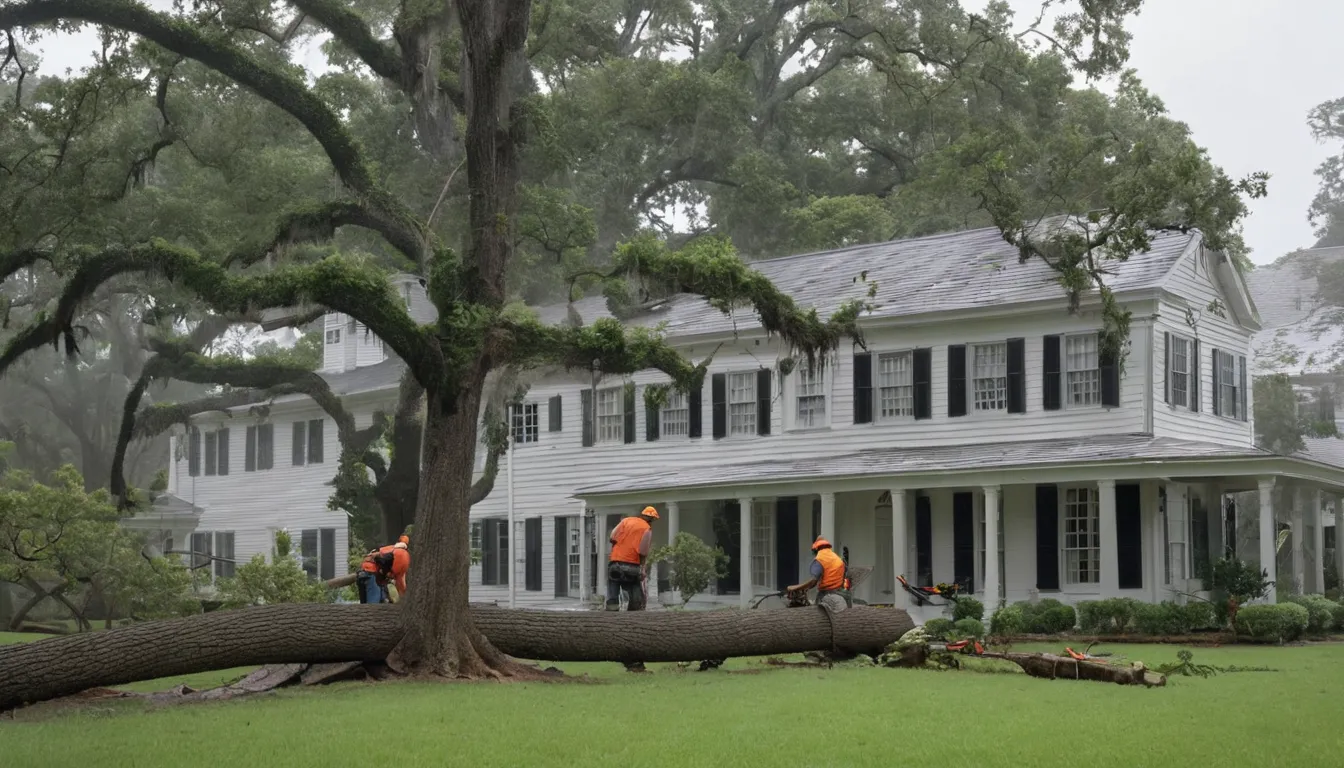
Request an estimate for your tree
A tree that comes down on a roof, a fence, a car or a driveway changes your whole day. In the Baltimore area, nor'easters, heavy summer storms and freeze-thaw winters can all bring limbs and trunks down fast. The first job is safety. The second is a clear plan.
Customersmoke Tree Service is a referral service. We do not cut or haul trees. We connect your request with an independent provider in our network who has the climbers, rigging and heavy equipment for the job. You get a written quote before any chainsaw starts. This page explains what to do in the first hour, what you can safely handle yourself, and what to leave to trained crews.
Take a breath. A fallen tree looks dramatic, but a calm first hour makes everything easier. Your only jobs right now are to keep people safe and to gather facts for the provider.
A downed tree can hide danger. It may be under tension, tangled in wires or resting on something that can shift. That is why professionals plan before they cut.
Work through this short list in order:
If a tree is touching or near a wire, treat the wire as live. Do not step closer, do not touch the tree and do not try to move it with a tool. Call your utility company and, if someone is hurt or a fire has started, call emergency services. Tree providers cannot work around energized lines until the utility has dealt with them.
Not every tree problem is an emergency. These usually are:
A dead branch far from the house can usually wait for a normal appointment. When you are unsure, describe it in the request form and let the provider judge.
Homeowners often ask whether they can handle a fallen tree alone. Sometimes a small part, yes. Most of the time, no.
You can take photos, clear light twigs from a walkway and move patio furniture out of the way. You can also rake small debris after the professionals leave. Stay on stable, dry ground while you do it.
Leave anything on a roof, near wires, under tension or higher than your shoulder to a provider. A chainsaw on a loaded trunk can kick back or roll. Colonial and split-level roofs are steep, and wet shingles make it worse. Professional rigging lowers heavy pieces without crushing what is below.
A provider in our network usually follows a pattern. First comes a look at the site and the risks. Next, the provider explains the plan and gives a written quote. Then the crew sets up, protects the area and cuts the tree in controlled sections.
Quote before chainsaw is the rule worth holding onto. Even in a hurry, you should know the scope and the price before work begins.
A tree falling service is not only for trees on the ground. A leaning tree after saturated soil or high wind may be close to failing. Providers can often remove it in a planned way, which costs less stress than waiting for it to land on something.
Some policies may cover sudden damage from a fallen tree, but coverage differs a lot. Check your own policy and talk to your agent. Providers can often help document damage for a claim, with photos, a written description and an itemized quote.
Keep every receipt. Do not throw away damaged items until the claim is sorted out.
Shoot wide shots of the whole tree, then close ups of the point of contact. Capture the roof, fence, siding or car beneath it. Add a short video if you can do so from a safe distance. These help both the provider and any claim.
When a nor'easter or summer storm hits a wide area, many neighbors need help at once. Providers triage. Trees on homes and blocked exits come first. Calls about leaning or fallen trees in open yards may wait longer. Many providers can respond quickly, but availability depends on the day and the weather. Request a callback to check provider availability.
Be ready for some noise, heavy trucks on your street and a bit of mess on the lawn.
A good provider answers these plainly.
Freeze-thaw winters and humid summers stress trees in different ways. A yearly walk around the yard helps. Look for dead limbs, mushrooms at the base, cracks in the trunk and branches hanging over the roof. Trim before the stormy season, and ask a provider about trees that look weak. Fixing a small problem costs far less than clearing a big one.
Trained crews cut and clear trees down on yards, driveways, fences and roofs.
Providers clear blocked driveways and walkways after nor'easters and heavy summer storms with proper equipment.
Cracked or hanging limbs are lowered with ropes and rigging before they can fall.
Many providers can haul brush and logs, so ask about cleanup in your quote.
Prices depend on tree size, access, nearby structures and storm demand. These are typical U.S. ranges only. Always get a written quote that spells out the scope of work.
| Service | Typical range | Notes |
|---|---|---|
| Small fallen tree, open yard | $300 – $900 | Easy access and no damage to structures |
| Large fallen tree, open yard | $1,000 – $3,000 | Heavy trunk sections may need equipment |
| Tree on a roof or house | $1,500 – $5,000+ | Rigging and careful lowering add time |
| Hanging limb removal | $200 – $1,000 | Depends on height and reach |
| Crane-assisted removal | $1,500 – $4,500 | Used when access is tight or loads are heavy |
| Debris haul-off and cleanup | $100 – $600 | Sometimes included, so confirm in writing |
Move people and pets away from the tree, and stay clear of any wires or damaged structure.
Capture the tree and damage from a safe distance for the provider and insurer.
Tell us about the tree and the damage, and we pass it to a provider.
Review the scope and price, then schedule the work.
Providers in our network explain the scope and price before any cutting begins.
Requests go to independent providers who know area homes and weather.
Plain advice on what to handle and what to leave alone.
Request an estimate and decide for yourself whether to proceed.
Send a few details about your tree through the estimate form, or email contact@customersmoke.garden. A local provider in our network can follow up with a written quote.
No obligationGet everyone out of the affected area and stay away from any wires. Do not climb on the roof or cut the tree yourself. Take photos from a safe spot, then request an estimate.
Some policies may cover sudden damage when a tree falls on a home or other covered structure. Coverage varies, so check your policy and speak with your agent. Providers can often help document the damage for a claim.
Small, loose branches on open ground may be fine to move with care. Anything on a roof, near wires, under tension or too heavy to lift should go to a trained provider with the right equipment and a written quote.
Send a few details about your tree through the estimate form, or email contact@customersmoke.garden. A local provider in our network can follow up with a written quote.
No obligation